



What type of firewood do they actually need?
They should decide whether they need hardwood, softwood, or a mix, because the “best” firewood depends on the job.
Hardwoods like oak, maple, and hickory usually burn longer and produce steadier heat, making them ideal for fireplaces and wood stoves. Softwoods like pine ignite quickly and are useful for kindling or outdoor fires, but they typically burn faster. If they are searching for firewood near me, they should compare local suppliers carefully and, when buying for cooking, ask for food-safe species while avoiding any wood that has been treated, painted, or chemically processed.
Is the firewood truly seasoned and dry enough?
They should assume “seasoned” is a marketing word until it is proven, because damp firewood is the most common disappointment.
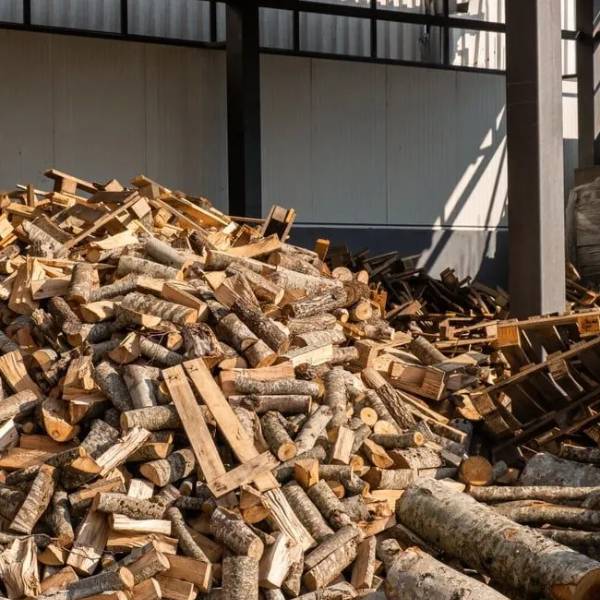
Good firewood is usually split and dried long enough to burn efficiently, with less smoke and easier starts. They can ask how long it has been seasoned and whether it was stored covered and off the ground. If they can inspect the pile, they should look for end cracks, a lighter feel, and a hollow sound when two pieces are knocked together.
If they want the simplest check, they can use a moisture meter. Many sellers will not mind, and it can prevent an expensive mistake. For most indoor burning, they should aim for wood that is roughly 20 percent moisture content or lower.
Are they paying for the right quantity (and is it measured honestly)?
They should confirm the unit being sold before comparing prices, because bundles, racks, “truckloads,” and cords are not interchangeable.
A full cord is a standardized volume: 128 cubic feet when stacked (typically 4 feet high by 4 feet deep by 8 feet long). A face cord is usually one row of 16-inch logs, but its total volume depends on the log length, so it varies. Bundles at gas stations or grocery stores are convenient but often the most expensive per log.
They should ask exactly what they are getting: the unit, the approximate piece length, and whether it is delivered loose or stacked. If the price seems unusually low, it is worth double-checking that it is not a partial cord being described loosely.
How clean is the wood, and what pests or debris might come with it?
They should check for cleanliness, because dirt, rot, and insects can turn “cheap firewood” into a messy problem.
If they can see the pile, they should scan for excessive bark loss, punky or spongy pieces, and visible mold. They should also look for signs of insects like tiny holes, sawdust trails, or clusters of eggs under loose bark. A few bugs outdoors is normal, but they should be cautious about bringing infested wood into a garage, shed, or home.
If they live in an area with firewood movement rules, they should also buy local. Transporting firewood long distances can spread invasive pests, and some parks and regions restrict outside wood.
What delivery, stacking, and refund details should they confirm first?
They should clarify logistics upfront, because most issues show up after the drop, not before the purchase.
They should ask whether delivery is included, what the delivery window looks like, and where the driver will dump the load. If they want it stacked, they should confirm the stacking fee, how neatly it will be stacked, and whether the stack location needs to be accessible by wheelbarrow or cart.
They should also ask what happens if the load is obviously wetter than promised or far short of the stated amount. A reputable seller usually has a simple policy, even if it is informal. If the seller will not answer basic questions, that is often the real review.
Where can they buy firewood near them without guessing?
They can usually find local firewood through a few reliable channels, and the right choice depends on whether they prioritize price, convenience, or consistency.
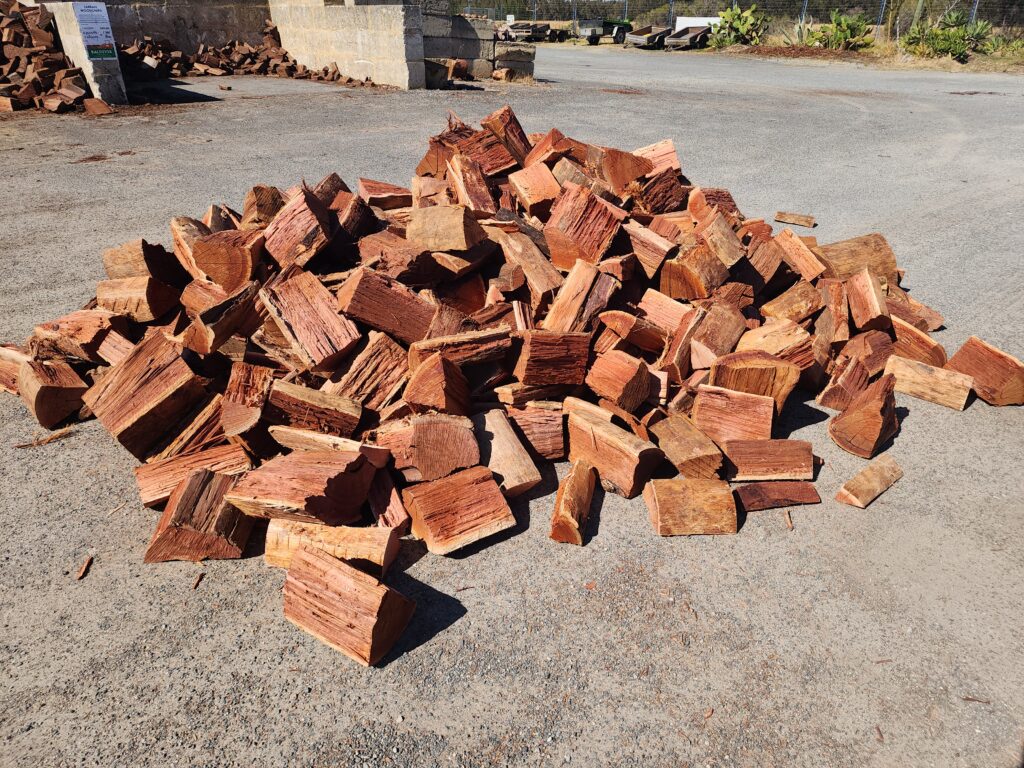
Local firewood suppliers and tree services often offer better value per cord and can answer detailed questions about species and seasoning. Garden centers and farm supply stores may sell smaller quantities and can be convenient for occasional use. Grocery stores and gas stations are fine for emergency bundles but are rarely the best deal. Learn more about firewood for sale: what to look for before buying.
Online marketplaces and neighborhood groups can work well if they verify details, but they should still ask the same questions about moisture, quantity, and delivery. The best local seller is usually the one that can describe their wood clearly, measure it consistently, and deliver it without excuses.
What is the simplest way for them to avoid a bad firewood purchase?
They should pick one seller, ask a short list of questions, and confirm dryness and quantity before paying.
If they do only three things, they should: confirm the unit (cord or fraction), confirm it is dry (ideally with a moisture number), and confirm delivery and stacking expectations. That small effort is usually the difference between a clean, hot-burning stack and a season of fighting wet wood.
FAQs (Frequently Asked Questions)
What type of firewood should I choose for my needs?
Decide whether you need hardwood, softwood, or a mix based on your purpose. Hardwoods like oak and maple burn longer and provide steady heat, ideal for fireplaces and wood stoves. Softwoods like pine ignite quickly and are good for kindling or outdoor fires but burn faster. For cooking, choose food-safe species and avoid treated or painted wood.
How can I ensure the firewood is properly seasoned and dry?
Don’t just trust the term “seasoned”; verify it by asking how long the wood has been dried, if it was stored covered and off the ground, and inspect for end cracks, a lighter feel, and a hollow sound when pieces are knocked together. Using a moisture meter to check for moisture content below 20% is the simplest way to confirm dryness.
How do I know if I’m paying for the correct quantity of firewood?
Confirm the unit being sold before comparing prices. A full cord is 128 cubic feet stacked (4’x4’x8′), while face cords vary depending on log length. Bundles are convenient but often more expensive per log. Ask about piece length, delivery method (loose or stacked), and beware of prices that seem too low as they may be partial cords.
What should I look out for regarding cleanliness and pests in firewood?
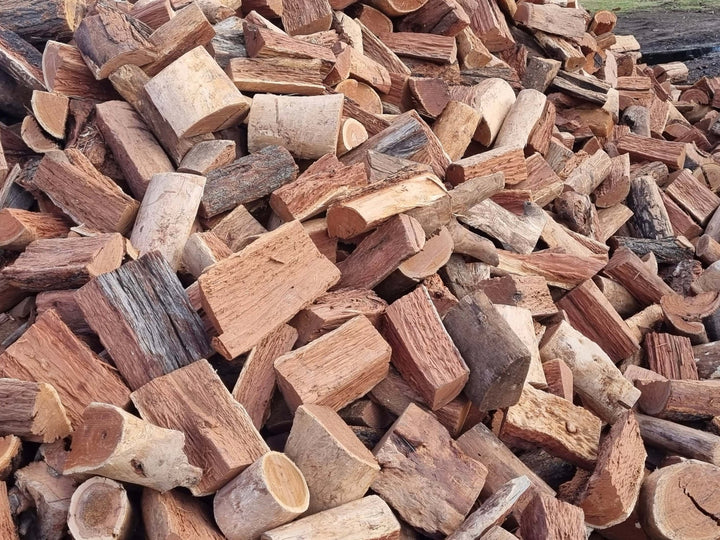
Inspect the wood pile for excessive bark loss, mold, rot, or spongy pieces. Look for insect signs like holes, sawdust trails, or egg clusters under loose bark. While some bugs outdoors are normal, avoid bringing infested wood indoors or into sheds. Buying local helps prevent spreading invasive pests due to regional firewood movement restrictions.
What delivery and stacking details should I confirm before purchasing firewood?
Clarify if delivery is included, the delivery window, and where the wood will be dropped off. If stacking is desired, ask about stacking fees, neatness of stacking, and accessibility of the stack location by wheelbarrow or cart. Also inquire about refund policies if the wood arrives wetter than promised or less than stated.
Where can I find reliable local firewood suppliers?
Local firewood suppliers and tree services often offer better value per cord with detailed info on species and seasoning. Garden centers and farm supply stores sell smaller quantities suitable for occasional use. Grocery stores and gas stations provide emergency bundles but usually at higher prices. Online marketplaces can work if you verify moisture content, quantity, and delivery details carefully.